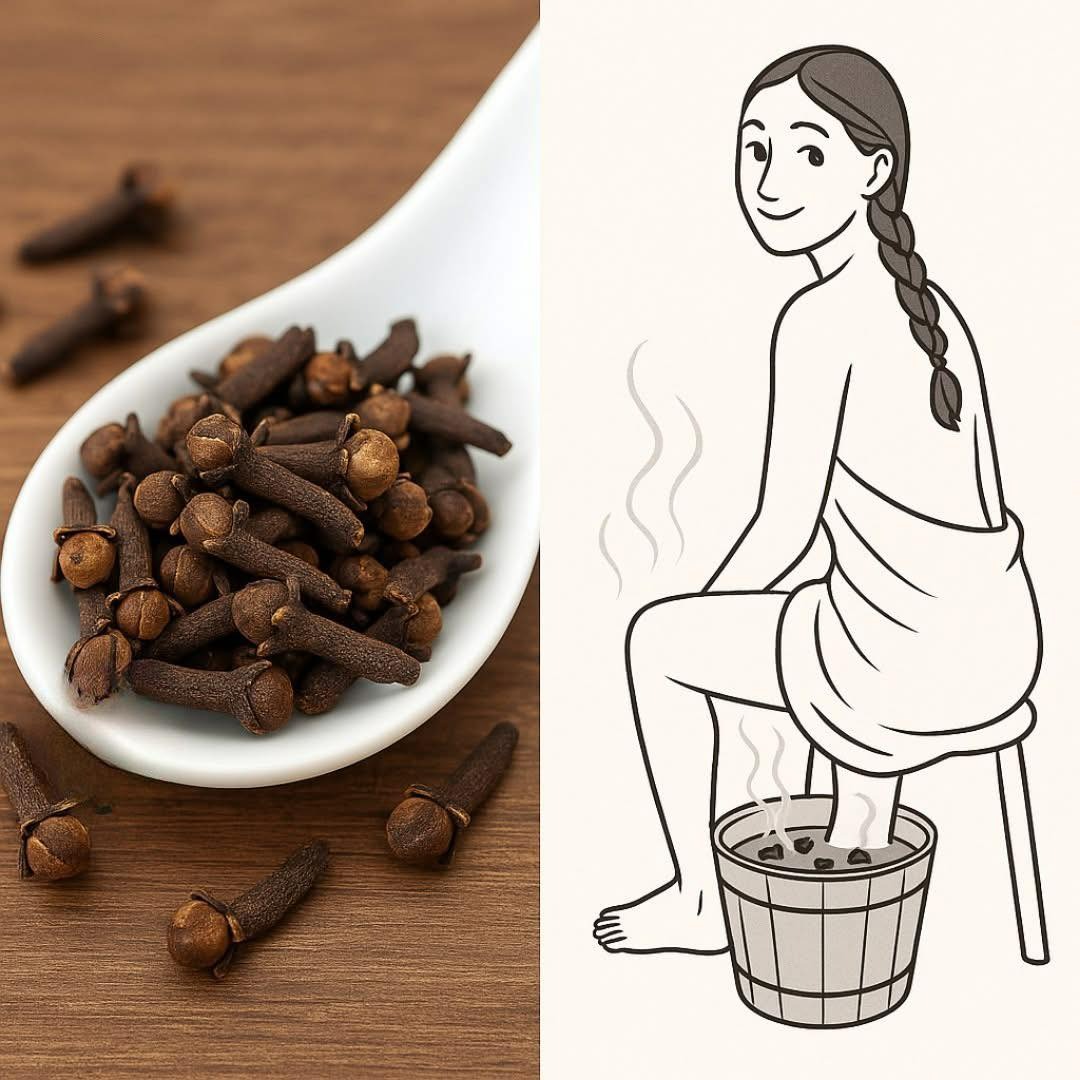
You’ve smelled them in holiday cider.
Tasted them in spiced curries. Seen them stud an orange at Christmas.
But cloves are more than just a seasonal spice. For centuries, across cultures from India to Indonesia, they’ve been used as a powerful tool in traditional healing.
Rich in antioxidants, antimicrobial compounds, and one very potent essential oil — eugenol — cloves offer subtle, supportive benefits that can enhance your daily wellness routine.
Let’s explore what modern science says about this tiny but mighty bud — so you can use cloves not just for flavor… but for function.
Because real healing isn’t loud. It’s quiet. And sometimes, it starts with one small spice.
🔬 What Are Cloves?
Cloves are the dried flower buds of the Syzygium aromaticum tree, native to the Maluku Islands in Indonesia.
Used for over 2,000 years in:
- Traditional Chinese Medicine
- Ayurveda
- Middle Eastern and African herbal practices
Today, they’re studied for their high concentration of bioactive compounds — especially eugenol, which makes up 70–90% of clove essential oil.
📌 Key components:
|
Compound
|
Benefit
|
|---|---|
|
✅ Eugenol
|
Anti-inflammatory, pain-relieving, antimicrobial
|
|
✅ Methyl salicylate
|
Mild analgesic (similar to aspirin)
|
|
✅ Flavonoids & phenolic acids
|
Antioxidants that combat oxidative stress
|
While not a replacement for medical treatment, cloves can play a supportive role in everyday wellness.