1. What Is the Weird White Foam on Cooking Chicken, Really?
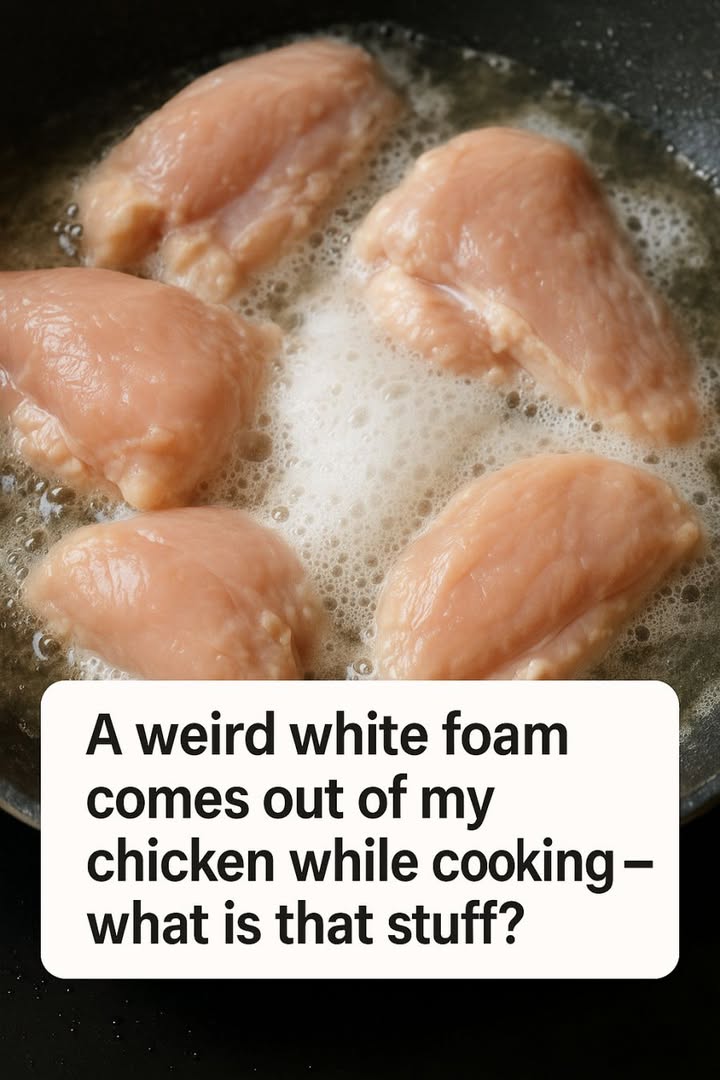
The white foam that appears when cooking chicken is primarily composed of protein and water. As chicken heats up, the muscle fibers contract, pushing out water mixed with dissolved proteins such as albumin. When exposed to heat, this mixture coagulates, forming the white foam many cooks notice. It’s a natural part of the cooking process and does not indicate a problem with the chicken. The amount of foam can vary depending on factors like cooking method and processing.
2. The Science of Albumin: The Protein Behind the Foam
Albumin is a water-soluble protein found in chicken muscle. When chicken is heated, albumin is expelled along with moisture. As the temperature rises, the protein denatures and coagulates, creating the visible white foam. This process is similar to what happens when egg whites cook and turn opaque. Albumin is a natural component of chicken and is completely harmless.
3. Why Chicken Releases More White Foam Than Other Meats
Chicken releases more white foam than many other meats because it contains more water and easily extractable proteins. Many commercially sold chickens are processed with added water to improve juiciness, which increases foam formation during cooking. Additionally, chicken’s lean structure means there is less fat to mask the released proteins.
4. Fresh vs. Frozen: How Processing Affects Foam Formation
Frozen chicken often produces more foam than fresh chicken. Freezing can rupture cell walls, allowing more proteins and moisture to escape during cooking. Thawing also causes moisture loss, which further contributes to foam formation. Fresh chicken may produce less foam, though processing and storage methods still play a role.
5. Does White Foam Mean the Chicken Has Gone Bad?
No — white foam does not mean the chicken is spoiled. It is simply a byproduct of protein and water being released during cooking. Spoiled chicken is identified by a foul odor, slimy texture, or unusual discoloration, not by the presence of foam.
6. Is the White Foam Safe to Eat, or Should You Skim It Off?
The foam is safe to eat, as it consists only of coagulated protein and water. That said, some cooks choose to skim it off for aesthetic reasons, especially when preparing broths or clear sauces. Skimming improves appearance, not safety.
7. How Cooking Methods Change the Amount of Foam You See
Cooking methods greatly influence foam visibility. Boiling or simmering produces more foam because proteins are released into liquid. Baking, roasting, or frying tends to produce less visible foam due to surface searing and evaporation. High-heat methods also reduce moisture buildup.
8. The Role of Brines, Marinades, and Added Water in Extra Foam
Brining and marinating introduce additional water into the chicken, which increases foam during cooking. Commercially processed chicken often contains added water as well, contributing to excess protein release when heated.
9. Why Crowded Pans and Low Heat Make the Foam Look Worse
Overcrowded pans trap moisture, preventing evaporation and allowing foam to accumulate. Cooking at low heat extends cooking time, giving proteins more opportunity to leach out. To reduce foam, avoid overcrowding and cook over sufficiently high heat.
10. Chef Tricks to Reduce or Prevent White Foam
Pat chicken dry before cooking to remove surface moisture. Preheat the pan thoroughly and use higher heat initially to sear proteins quickly. When poaching or boiling, a gentle simmer rather than a rolling boil helps limit foam formation.
11. Viral TikTok Hacks for “Foam-Free” Chicken — Do They Work?
Some viral hacks suggest adding vinegar or baking soda to reduce foam. While these can alter protein behavior by changing pH, results vary and may negatively affect flavor or texture. Use caution and test small amounts first.
12. When the White Stuff Isn’t Just Albumin: Signs to Watch For
Although white foam is usually harmless, discard chicken if it has a sour smell, slimy feel, greenish color, or unusual residue. These signs indicate spoilage and are unrelated to normal foam formation.
13. What the Foam Tells You About Doneness, Juiciness, and Texture
Foam indicates that heat is penetrating the meat and proteins are being released. Excessive foam can sometimes suggest overcooking, which leads to dry, tough chicken. For best results, use a meat thermometer and cook chicken to an internal temperature of 165°F (74°C) to ensure safety while maintaining juiciness.