Sudden weakness in the legs
Difficulty walking
Long-lasting movement problems
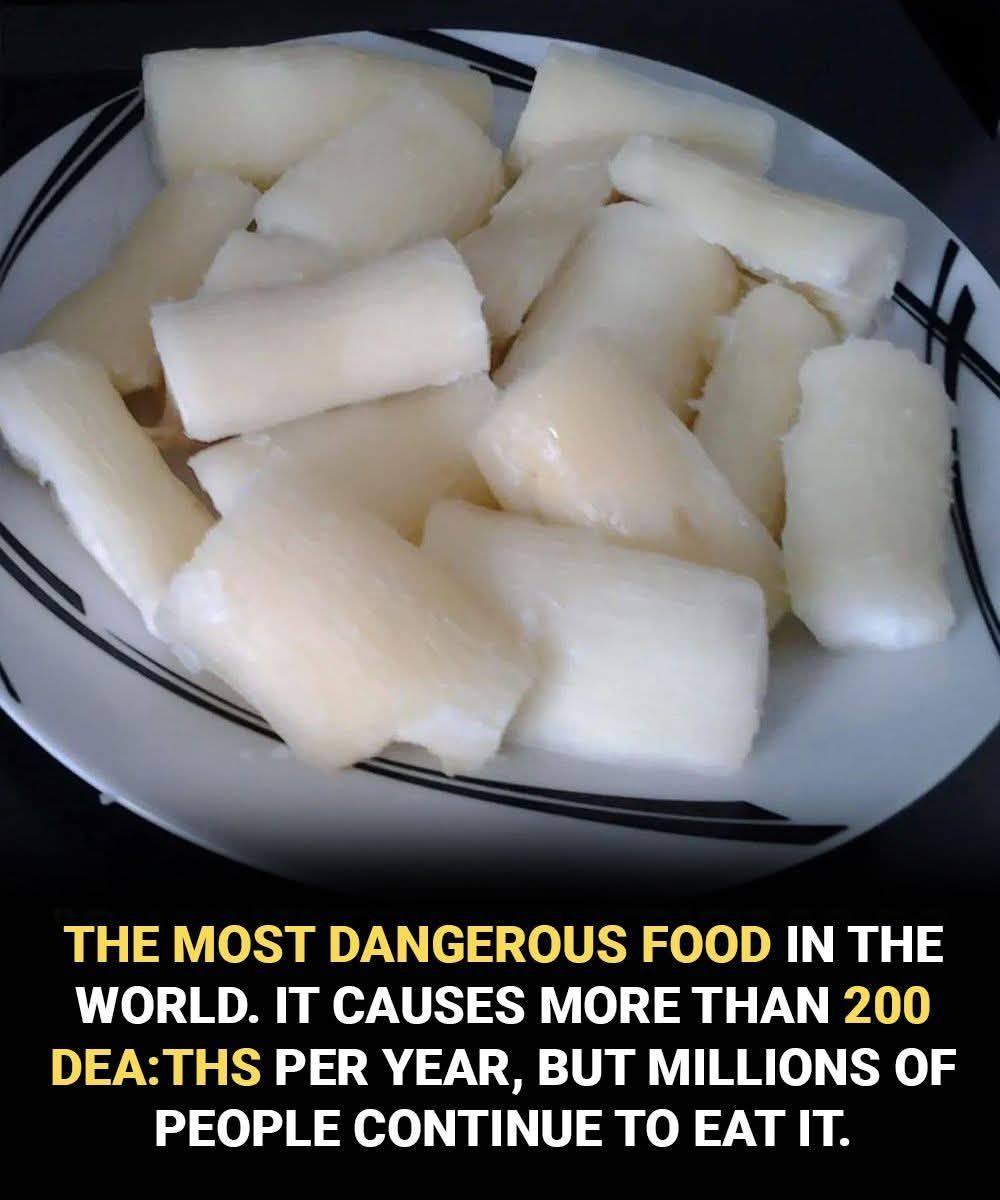
Konzo is rare and tends to appear in very specific settings: areas with poverty, low-protein diets, and repeated use of poorly prepared bitter cassava. It is not something most occasional cassava eaters will ever encounter, but it is an important reminder of why proper preparation matters.
Four Key Steps to Make Cassava Safe to Eat
The good news is that time-tested cooking methods can remove the danger while preserving the taste and versatility of this root. Whether you are curious about cassava, have family roots in a cassava-eating culture, or simply like to try new foods, these basic safety steps are worth knowing.
1. Peel Cassava Thoroughly
The outer peel and the thin layer just beneath it contain higher levels of the plant’s natural toxins.
Remove the thick, waxy peel completely.
If you see any discolored or woody sections, cut them away.
Do not cook or eat cassava with the peel still on.
A clean, fully peeled root is the starting point for safe cassava dishes.
2. Soak or Ferment the Root
In many traditional cuisines, cassava is soaked or fermented before cooking. This step helps draw out and break down the harmful compounds.
Common methods include:
Soaking peeled or grated cassava in clean water for 24–48 hours, changing the water if needed.
Fermenting, which allows natural processes to further reduce the cyanide content. In parts of Northern Brazil, for example, a type of cassava flour is made by soaking and fermenting the grated root in water before drying and roasting it.
If you are buying dried flours or ready-to-use cassava products from the store, they are usually already processed. Just follow the package directions carefully.
3. Cook Cassava Thoroughly Until Tender
Cassava should never be eaten raw.
Boil peeled pieces in plenty of water until they are completely tender, usually at least 20 minutes or more, depending on the size of the chunks.
You can then fry, bake, or mash the cooked cassava as you like, just as you might with potatoes.
Proper cooking helps destroy remaining toxins and makes the root easier to digest.
4. Serve Cassava With a Source of Protein
In some affected regions, low-protein diets make it harder for the body to handle any small amount of cyanide that might remain. Including protein in meals is good practice in general and especially wise if cassava is eaten frequently.
You can:
Add eggs, fish, poultry, or lean meat
Include beans, lentils, or other legumes
Pair cassava with cheese, yogurt, or other dairy, if tolerated
Protein supports overall health and helps the body process a variety of compounds more effectively.
When Does Cassava Become Truly Dangerous?
It is important to keep this in perspective. Cassava becomes a real threat primarily in extreme situations:
Long periods of drought or crop failure
Civil conflict or war, when people have few cooking resources
Very limited diets where bitter cassava is eaten daily with little else
In those circumstances, families may skip peeling, soaking, or careful cooking simply because they have no other options. That is when serious outbreaks and conditions like konzo appear.
Where traditional recipes are followed and people have access to clean water, fuel, and other foods, problems are much less common. The very traditions that may look “old-fashioned” from the outside are often finely tuned safety practices built over generations.
Even so, it is wise for public health materials, nutrition education programs, and community outreach to keep reinforcing these safe preparation steps, especially in regions where cassava is a staple food.
The Nutritious, Versatile Side of Cassava
When handled correctly, cassava can be a helpful food, especially for people looking for gluten-free or alternative starch options.