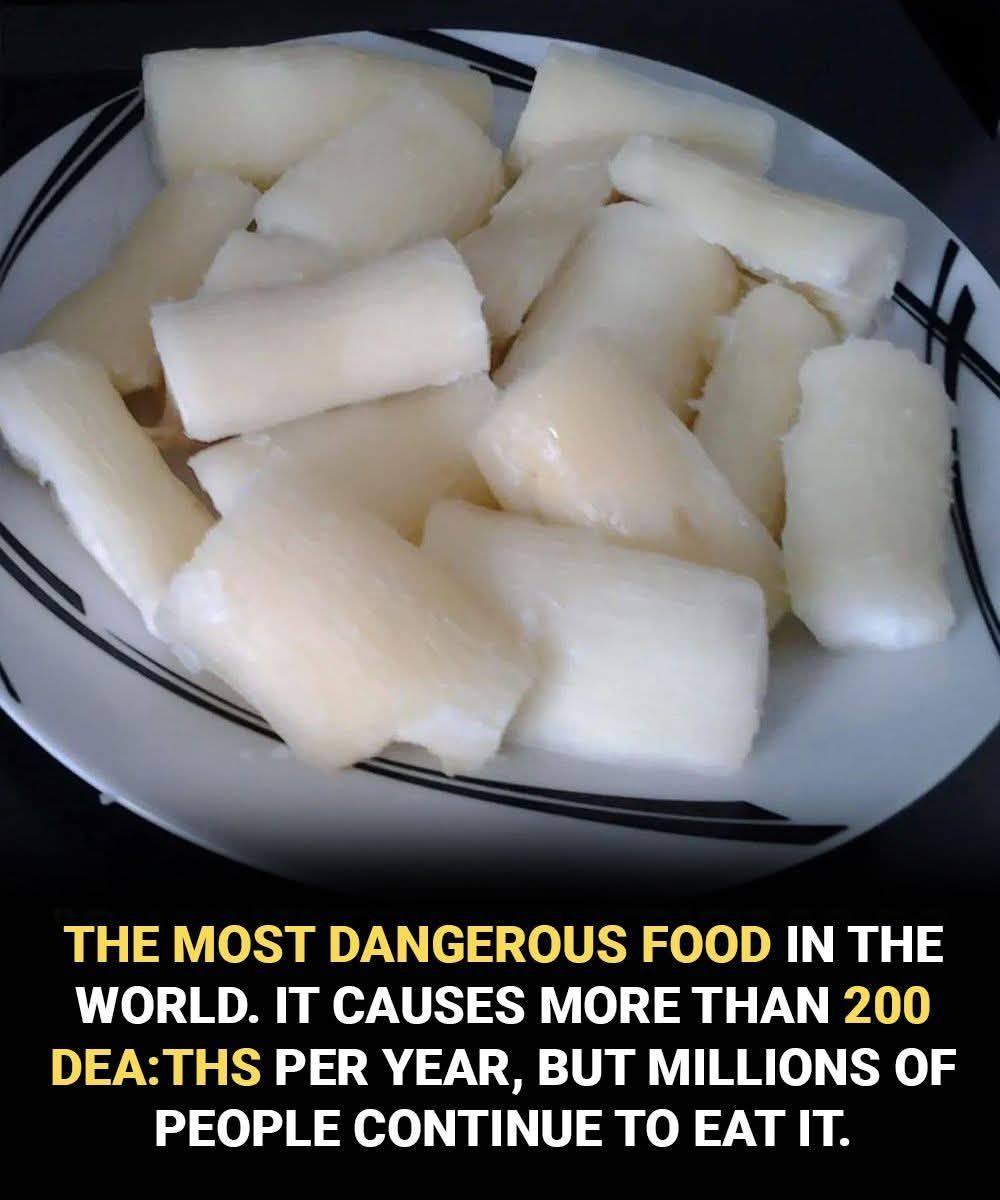
Properly processed cassava:
Is rich in complex carbohydrates, providing steady energy
Is naturally gluten-free, making it an option for those avoiding wheat
Contains fiber, which can support digestive comfort
Can be turned into flours, breads, cakes, and fried snacks
Tapioca, for example, is a familiar cassava-based product used in puddings and baked goods. Cassava flour is sometimes used in recipes as a wheat-free alternative, and boiled cassava can be served like potatoes or cut into wedges and crisped in the oven or pan.
In other words, when we respect its limits and prepare it properly, cassava shifts from a potential hazard to a useful, flexible ingredient in everyday cooking.
Cassava and Cyanide: What’s the Real Takeaway?
Cassava itself is not the villain. The real risk lies in:
A lack of information about safe preparation
Difficult living conditions that make proper soaking and cooking hard
Diets that rely on bitter cassava almost exclusively
For older adults who like to cook, travel, or explore global cuisines, understanding cassava safety is simply another form of kitchen wisdom—like knowing not to eat undercooked chicken or how to handle certain wild mushrooms.
With a few simple precautions:
Peel thoroughly
Soak or ferment when appropriate
Cook until fully tender
Pair with protein and a varied diet
you can enjoy cassava as a safe, tasty, and satisfying part of meals.
In the end, cassava is a good example of how tradition and science often say the same thing in different languages. The practices developed by cooks and elders over generations now line up neatly with modern food science. Together, they remind us that knowledge, patience, and proper preparation can turn a potentially harmful ingredient into a nourishing and enjoyable food.