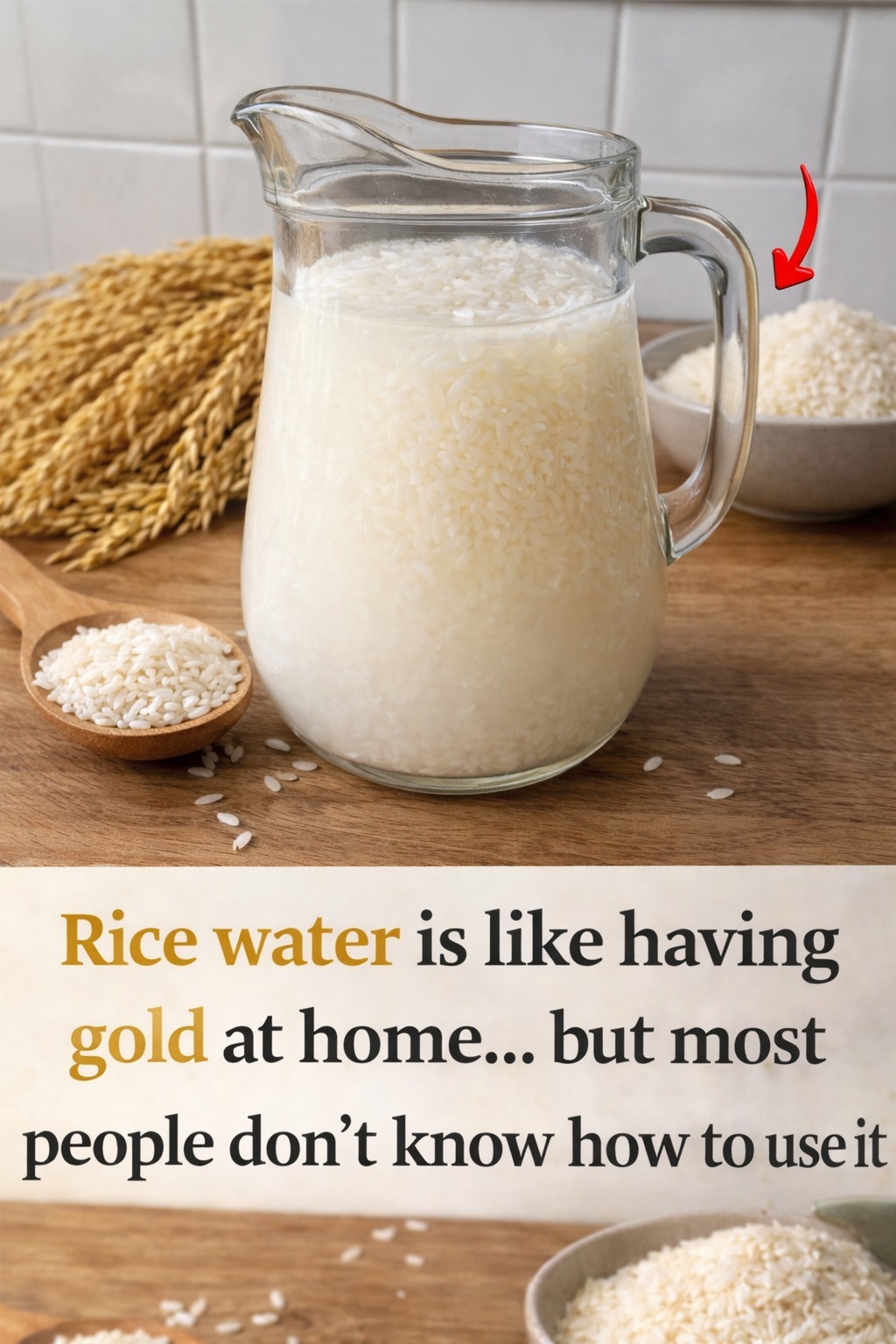
Many people rinse rice before cooking and pour the cloudy water down the drain without a second thought, missing out on a simple household item that has been part of traditional practices for generations. This oversight can feel like overlooking a handy resource right in your kitchen, especially when everyday self-care routines could benefit from easy, natural additions. Imagine transforming something you already have into a versatile element for your daily habits—let’s explore how rice water might fit into that picture, and stick around because I’ll share an unexpected tip at the end that could change how you view your next rice rinse.
What Exactly Is Rice Water?
Rice water is simply the starchy liquid left after soaking or rinsing rice grains. This milky substance comes from the outer layer of the rice, which releases nutrients during the process.
It’s been used in various cultures for centuries, particularly in parts of Asia, as part of beauty and household routines. Think of it as a byproduct that’s easy to obtain without any special equipment.
But that’s not all—understanding its composition can help you decide if it fits into your lifestyle. Research from sources like the Journal of Cosmetic Dermatology indicates that rice water contains vitamins, minerals, and amino acids, which are naturally present in rice.
Here’s the interesting part: these components are what make it appealing for experimental uses at home.
How to Prepare Rice Water at Home
Preparing rice water is straightforward and requires minimal ingredients. Start with half a cup of uncooked rice—any type works, but white rice tends to yield a starchier result.
Rinse the rice under running water for about 30 seconds to remove impurities, then discard that initial rinse. Next, place the rice in a bowl and add two to three cups of clean water.
Let it soak for 30 minutes to an hour, stirring occasionally to release more starch. Strain the liquid into a clean container, and you’re ready to use it fresh or store it in the fridge for up to a week.
For a fermented version, which some prefer for its tangy profile, leave the strained water at room temperature for 24-48 hours until it sours slightly. Remember to dilute it before use to avoid any strong effects.
And here’s a pro tip: always use filtered water to ensure purity in your preparation.
Step-by-Step Guide to Basic Rice Water
- Gather your materials: Uncooked rice, a bowl, water, and a strainer.
- Rinse initially: Quick wash to clean the rice.
- Soak: Submerge in water for the desired time.
- Strain: Separate the liquid from the grains.
- Store: Keep in a sealed jar in the refrigerator.
This method keeps things simple and accessible for beginners.
Exploring Uses for Hair Care Routines
Incorporating rice water into hair routines has gained popularity through social media and traditional anecdotes. Some people apply it as a rinse after shampooing to add shine or smoothness.
To try this, pour the diluted rice water over your hair, massage it into the scalp, and let it sit for 5-10 minutes before rinsing with cool water. Studies, such as those published in the International Journal of Trichology, suggest that the inositol in rice water may support hair health by coating the strands.
But wait, there’s more—combining it with essential oils can enhance the experience without overpowering the natural properties.
Avoid overusing it, as buildup might occur; once or twice a week is a common starting point. This approach allows you to observe how it integrates with your existing products.
Benefits Noted in Traditional Practices
- Natural conditioning: May help detangle hair gently.
- Scalp soothing: The cool rinse can feel refreshing.
- Easy integration: Fits into shower routines seamlessly.
These observations come from user experiences shared in wellness communities.

Incorporating Rice Water for Skin Care Habits
Rice water can also play a role in skincare routines, often used as a toner or facial rinse. After cleansing, apply it with a cotton pad or by splashing it on your face.
Let it air dry or pat gently, then follow with your usual moisturizer. Historical uses in Japanese beauty rituals highlight its role in maintaining a soft complexion, with antioxidants like ferulic acid potentially contributing.
The truth is, it’s a low-cost option for those exploring DIY alternatives. Dilute it if your skin is sensitive to prevent any dryness.
For a mask variation, mix rice water with a bit of honey or yogurt for a 10-minute application. Rinse thoroughly afterward.
This keeps your routine fresh and experimental.
Simple Recipes to Try
- Basic toner: Plain rice water in a spray bottle.
- Mask base: Combine with natural thickeners like oatmeal.
- Spot application: Use on areas needing extra attention.
Always patch test first to ensure compatibility.
Rice Water in Household and Gardening Tips
Beyond personal care, rice water finds uses around the home. In gardening, it serves as a natural fertilizer due to its nutrient content.
Dilute it and water your plants once a week—houseplants like ferns or orchids may respond well. Some gardeners note improved growth, as supported by agricultural studies on rice byproducts.
Here’s the fascinating bit: it can also clean fruits and vegetables by soaking them briefly to remove residue.
For polishing, a cloth dipped in rice water might shine wooden surfaces gently. These applications repurpose what might otherwise be waste.
Experiment in small amounts to see what works best in your space.
Comparison of Uses: Personal vs. Household
| Category | Personal Care | Household Use |
|---|---|---|
| Preparation Time | 30-60 minutes | 10-30 minutes |
| Frequency | 1-2 times/week | As needed |
| Key Components | Vitamins, amino acids | Starch, minerals |
| Observed Effects | Shine, softness | Growth boost, cleaning |
This table highlights the versatility without overcomplicating things.
Nutritional Aspects and Culinary Ideas
Rice water isn’t just for external use; in some cultures, it’s sipped as a hydrating drink or used in cooking. Boil it down to make a porridge base or add to soups for thickness.
Nutritionally, it contains traces of B vitamins and electrolytes, making it a mild option for rehydration after exercise, as per general wellness insights.
But that’s not the end—fermented rice water, known as amazake in Japan, offers a sweet, non-alcoholic beverage when prepared properly.
To make it, cook rice with koji (a fermenting agent) and let it sit. Enjoy it warm or chilled.
These ideas expand its role in daily meals.
Health-Focused Culinary Tips
- As a drink: Add a pinch of salt for flavor.
- In recipes: Substitute for water in batters.
- Storage: Freeze in ice cubes for easy use.
Incorporate gradually to suit your taste.
Potential Considerations When Using Rice Water
While rice water is generally safe for most, be mindful of its starch content, which might not suit everyone. If you have allergies to rice, avoid it altogether.
Store it properly to prevent bacterial growth—refrigeration is key. Some research from food science journals wars about arsenic in rice, so use organic varieties when possible.
The key is moderation and observation. Start small and adjust based on your experience.
This ensures a positive incorporation into your habits.

Wrapping Up: Making Rice Water Part of Your Routine
Rice water offers a simple, accessible way to explore traditional practices in modern life, from hair rinses to plant care. Bypreparing it at home and trying various applications, you might find new favorites in your daily routines.
Remember that unexpected tip I mentioned earlier? Try using rice water to starch your clothes naturally—dilute it, spray on fabrics before ironing, and enjoy a crisp finish without chemicals. It’s a hidden gem for laundry day.
Frequently Asked Questions
What is the best type of rice for making rice water? Any uncooked rice works, but white rice produces more starch, while brown rice adds extra nutrients. Experiment to see what you prefer.
How long can I store rice water? Fresh rice water lasts up to a week in the fridge. Fermented versions should be used within 2-3 days for optimal freshness.
Can rice water be used every day? It’s best to start with 1-2 times a week to avoid buildup or sensitivity. Listen to your body and adjust accordingly.
Please note: This information is for general educational purposes only and is not intended as medical advice. Consult a healthcare professional before making changes to your health or beauty routines.