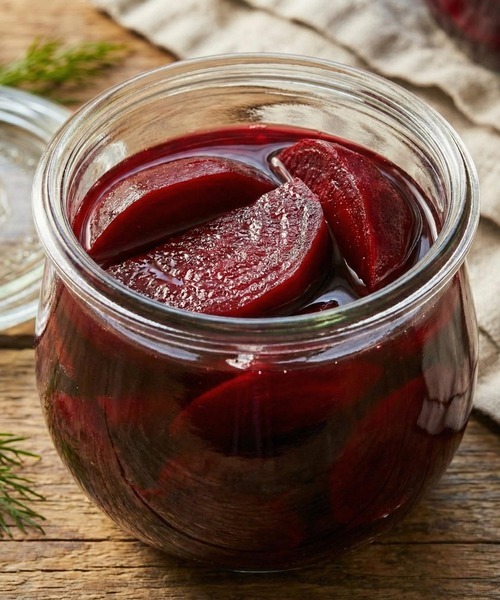
But the story doesn’t end with circulation. Beets also offer rich dietary fiber that supports digestion and helps maintain more balanced energy after meals. This fiber feeds beneficial gut bacteria and slows the absorption of glucose, which encourages steadier blood sugar levels. Their pigments—called betalains—provide antioxidant support that helps the body manage everyday oxidative stress. While they don’t deliver dramatic “detoxes” as some trends claim, they do play a supporting role in the body’s natural cleansing processes. With essential nutrients like folate, potassium, manganese, and iron, beets add meaningful nourishment that contributes to overall vitality.
Even so, experts emphasize realistic expectations. Beets are nutritious, but they aren’t miracle cures or substitutes for medical treatment. Beet juice, for instance, can cause a quicker rise in blood sugar because it lacks the fiber found in whole beets. Individuals with certain health conditions, such as those prone to kidney stones, may need to moderate their intake. A harmless side effect—known as beeturia—can cause pink or red-tinted urine, which surprises some people but isn’t a health concern. For most individuals, beets fit naturally into a balanced diet and can be enjoyed roasted, steamed, blended, or grated into salads and soups.
Continued on next page: