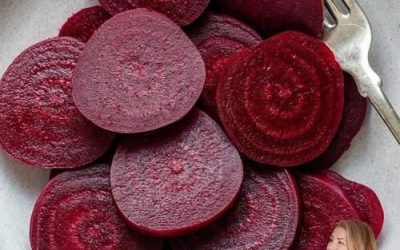
The pigments that give beets their deep red and purple color are called betalains. These compounds act as antioxidants, helping the body manage everyday oxidative stress caused by normal metabolism, environmental exposure, and aging.
Rather than “cleansing” the body in a dramatic way, beets support the systems your body already uses to maintain balance—especially the liver and circulatory system.
Key Nutrients That Add Up Over Time
Beets provide several essential nutrients that work together to support overall wellness, including:
-
Folate, which supports cell function
-
Potassium, important for fluid balance
-
Manganese, involved in metabolism
-
Iron, which supports oxygen transport
Individually, these nutrients may seem modest—but combined and consumed consistently, they contribute to long-term vitality.
Whole Beets vs. Beet Juice: What to Know
Experts often recommend whole beets over juice when possible. Juicing removes much of the fiber, which can lead to quicker sugar absorption. Whole beets—roasted, steamed, grated, or added to salads—offer a more balanced nutritional profile.
Some people notice a harmless change in urine color after eating beets, known as beeturia. While surprising, it isn’t a health concern for most individuals.
Those prone to kidney stones or managing specific medical conditions may want to moderate intake and consult a professional.
Why Consistency Matters More Than Quantity
The real value of beets isn’t in eating large amounts once—it’s in including them regularly as part of a balanced diet. Over time, people often report:
Continued on next page: