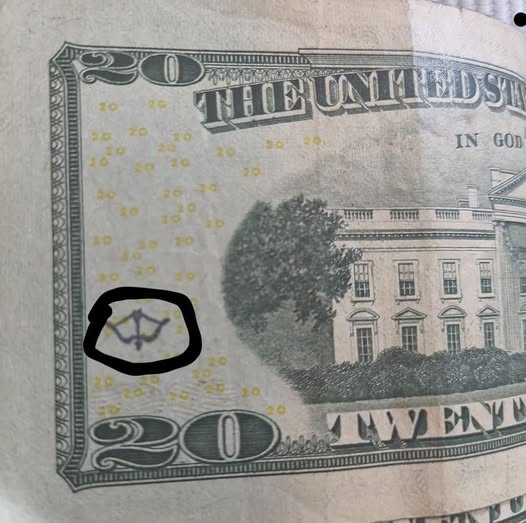
In regions where U.S. currency circulates alongside local money, chop marks help speed up transactions and build confidence. A stamped bill tells the next holder that someone else has already verified it, reducing the need for repeated checks. The symbols vary widely—some may resemble letters, shapes, or simple icons—and are usually placed carefully so they don’t obscure important details like portraits, serial numbers, or security features. Each mark quietly documents a checkpoint in the bill’s life as it moves through different economies.
From a legal standpoint, lightly marked bills are still considered valid currency. While intentional defacement is discouraged, chop marks are generally treated as normal wear from circulation rather than damage. That said, heavily marked bills may occasionally be rejected by machines or scrutinized by banks. For many people, though, finding one of these marked bills is a reminder that money is more than paper—it’s a traveler. Those small symbols tell a story of global trade, shared trust, and the many unseen paths a single dollar can take before landing in your hand.